

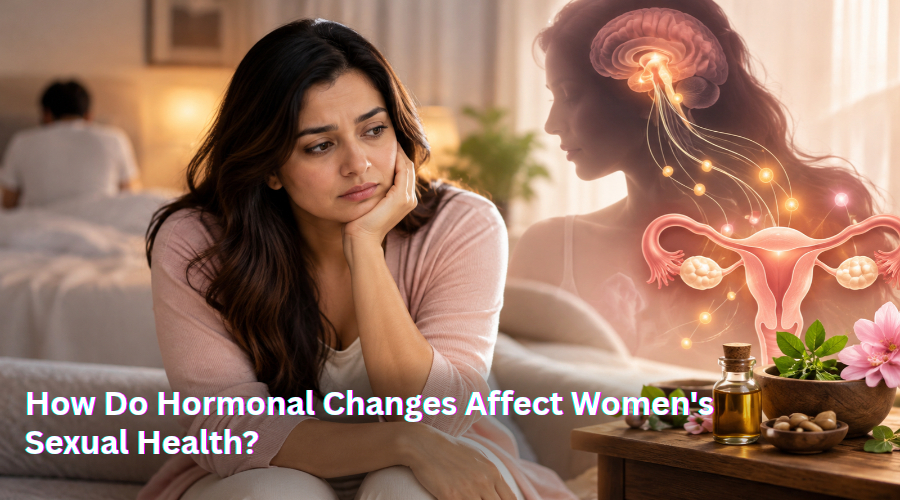
How Do Hormonal Changes Affect Women's Sexual Health?
Hormones play an important role in maintaining women's overall health, emotional well-being, and sexual wellness. Changes in hormone levels can affect sexual desire, vaginal comfort, mood, and intimacy. These changes may occur naturally during menstruation, pregnancy, childbirth, and menopause or due to certain medical conditions.
Understanding how hormonal changes affect women's sexual health can help women recognize symptoms, make informed decisions, and seek appropriate medical guidance when needed.
Understanding Hormonal Changes in Women
Hormones are chemical messengers that regulate several functions in the female body, including reproductive health, menstrual cycles, and sexual function.
Two important hormones involved in women's reproductive and sexual health are:
-
Estrogen: Helps maintain vaginal tissue health, lubrication, and elasticity.
-
Progesterone: Supports menstrual cycle regulation and reproductive health.
Testosterone also contributes to sexual desire in some women. Changes in these hormone levels may influence sexual well-being, although stress, relationships, medications, and general health also play important roles.
How Do Hormonal Changes Affect Women's Sexual Health?
Hormonal fluctuations can affect women differently depending on their age, lifestyle, and overall health.
1. Changes in Sexual Desire
Hormonal changes may influence libido or sexual interest. Some women experience reduced sexual desire during menopause, after childbirth, or during periods of significant hormonal fluctuation.
However, low sexual desire is not always caused by hormonal imbalance. Emotional stress, fatigue, relationship concerns, and certain medications may also contribute.
2. Vaginal Dryness and Discomfort
Declining estrogen levels, particularly during menopause, can cause vaginal dryness and reduced tissue elasticity.
This may lead to discomfort during intimacy and affect sexual satisfaction. Appropriate medical advice and treatment can help manage these symptoms.
3. Mood Swings and Emotional Changes
Hormonal fluctuations can sometimes influence mood, sleep, and emotional well-being.
Anxiety, irritability, and low mood may indirectly affect sexual interest and intimacy. Maintaining emotional health is therefore an important part of women's sexual wellness.
4. Pain During Intimacy
Some women experience discomfort or pain during sexual activity because of vaginal dryness or changes in vaginal tissue.
Persistent pain should not be ignored, as infections, pelvic floor conditions, and other medical concerns can also cause these symptoms.
5. Changes During Pregnancy and Menopause
Pregnancy, postpartum recovery, and menopause involve significant hormonal changes.
These transitions may influence sexual desire, physical comfort, and emotional well-being. Experiences vary, and not every woman develops sexual health problems during these stages.
Common Causes of Hormonal Changes in Women
Several natural and medical factors can affect hormone levels, including:
-
Menstrual cycle fluctuations
-
Pregnancy and childbirth
-
Breastfeeding
-
Perimenopause and menopause
-
Thyroid disorders
-
Polycystic Ovary Syndrome (PCOS)
-
Certain medications and hormonal treatments
Identifying the underlying cause is important before choosing any treatment.
How Can Women Manage Hormonal Changes and Sexual Health Problems?
Healthy lifestyle habits and appropriate medical care may help improve overall sexual well-being.
Maintain a Balanced Diet: Include nutritious foods that support general health and well-being.
Exercise Regularly: Physical activity can support mood, circulation, sleep, and overall health.
Manage Stress: Relaxation techniques, yoga, and mindfulness may help reduce stress that affects intimacy.
Prioritize Quality Sleep: Adequate sleep supports physical and emotional well-being.
Seek Professional Guidance: If symptoms persist, a qualified healthcare professional can evaluate possible causes and recommend suitable treatments.
Treatment depends on the symptoms and underlying condition. Options may include vaginal moisturizers or lubricants, counseling, medication adjustments, or clinician-prescribed hormonal treatments when appropriate.
When Should You Consult a Healthcare Professional?
Occasional changes in sexual desire are common. However, professional consultation may be helpful if you experience persistent vaginal dryness, painful intimacy, distressing changes in libido, or symptoms that affect your quality of life.
A healthcare professional can assess hormonal and non-hormonal factors and recommend an individualized approach.
Conclusion
Hormonal changes are a natural part of many stages of a woman's life, but they can sometimes influence sexual desire, comfort, and emotional well-being.
Understanding the relationship between hormonal changes and women's sexual health is an important step toward recognizing concerns and finding appropriate support.
With healthy lifestyle habits, accurate information, and professional medical guidance, women can take informed steps toward maintaining their sexual wellness and overall quality of life.
Frequently Asked Questions (FAQs)
Q1. Can hormonal imbalance cause low sexual desire in women?
Yes. Hormonal changes may contribute to reduced sexual desire, although emotional, physical, and relationship factors can also play a role.
Q2. Does menopause affect women's sexual health?
Menopause may cause vaginal dryness, discomfort during intimacy, and changes in sexual desire because of declining estrogen levels.
Q3. Can hormonal changes cause vaginal dryness?
Yes. Reduced estrogen levels, particularly during menopause and breastfeeding, can contribute to vaginal dryness.
Q4. Are hormonal changes in women always a medical problem?
No. Many hormonal fluctuations are normal. Medical evaluation is recommended when symptoms are persistent, painful, or distressing.
Q5. Can women's sexual health problems be treated?
Many sexual health concerns can be managed with appropriate treatment, lifestyle changes, and professional guidance, depending on their underlying causes.
 Whatsapp
 Call