

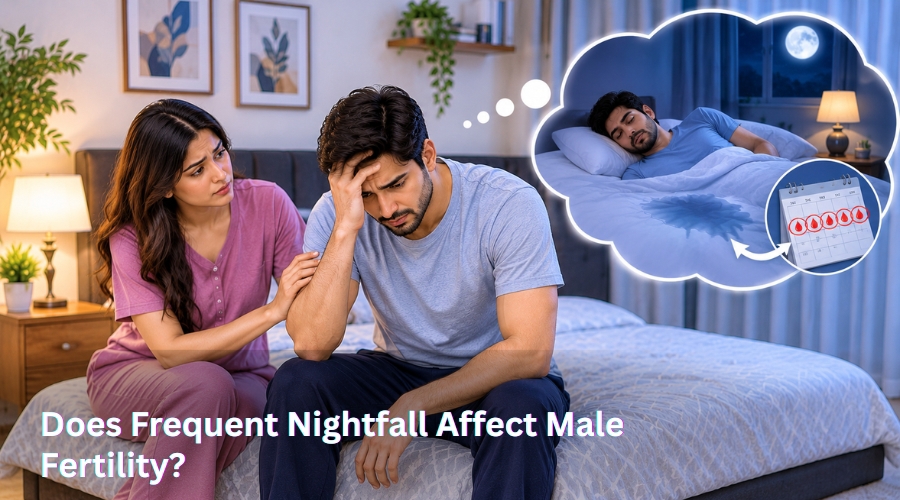
Does Frequent Nightfall Affect Male Fertility?
Introduction
Nightfall, also known as nocturnal emission or wet dreams, is a natural phenomenon in which semen is released involuntarily during sleep. It is commonly experienced by males, especially during adolescence and young adulthood.
However, when nightfall occurs frequently, many men become concerned about their reproductive health and wonder whether it can affect their fertility or reduce their ability to father a child.
The good news is that nightfall itself does not cause infertility or permanently reduce sperm production. Understanding its causes, frequency and possible associated symptoms can help men make informed decisions about their sexual health.
1. What Is Nightfall and Why Does It Occur?
Nightfall refers to the involuntary release of semen during sleep, sometimes accompanied by sexual dreams and sometimes occurring without any remembered dream.
It is a normal bodily process and may occur due to several factors, including:
-
Hormonal changes, particularly during puberty.
-
Natural reproductive activity.
-
Sexual thoughts or dreams.
-
Variations in sexual activity.
-
Individual differences in reproductive physiology.
Nightfall is not necessarily a sign of sexual weakness or any underlying disease.
2. Can Frequent Nightfall Affect Male Fertility?
One of the most common concerns among men is whether frequent nightfall can decrease sperm count or cause infertility.
In general, the answer is no. Nightfall does not permanently deplete sperm reserves or damage the reproductive system.
The male body continuously produces sperm, and semen released during nocturnal emissions is naturally replenished.
Male fertility depends on several factors, such as:
-
Sperm count and concentration.
-
Sperm motility (movement).
-
Sperm morphology (shape).
-
Hormonal balance.
-
Overall reproductive health.
Therefore, experiencing nightfall does not automatically indicate a fertility problem.
3. How Often Is Nightfall Considered Normal?
There is no fixed medical frequency that applies to every man. Some men experience nightfall occasionally, while others may experience it more frequently.
Its frequency can vary depending on:
-
Age and hormonal activity.
-
Individual reproductive patterns.
-
Sexual activity.
-
Sleep patterns and other lifestyle factors.
Nightfall should not be considered a medical problem based on frequency alone. However, if it causes significant distress or occurs alongside other unusual symptoms, consulting a qualified healthcare professional can help identify the underlying concern.
4. Common Myths About Nightfall and Male Fertility
Many misconceptions about nightfall create unnecessary anxiety among men.
|
Common Myth |
Medical Fact |
|---|---|
|
Nightfall causes permanent weakness. |
Nightfall is a natural physiological process. |
|
Frequent nightfall causes infertility. |
Nightfall itself does not cause infertility. |
|
Nightfall permanently reduces sperm count. |
The body continuously produces sperm. |
|
Nightfall is always a sign of sexual disease. |
It is generally a normal bodily occurrence. |
|
Every episode of nightfall requires treatment. |
Treatment is not usually necessary for normal nocturnal emissions. |
5. When Should You Consult a Sexologist?
Although nightfall is generally normal, professional consultation may be helpful if you experience:
-
Pain or burning during urination.
-
Blood in semen.
-
Unusual genital discomfort.
-
Persistent pelvic or testicular pain.
-
Significant anxiety or distress related to nightfall.
-
Difficulty conceiving despite regular unprotected intercourse.
A healthcare professional can evaluate symptoms and recommend appropriate investigations if needed.
6. Lifestyle Habits for Better Male Reproductive Health
Maintaining a healthy lifestyle supports overall reproductive health and well-being. Men can consider the following habits:
-
Eat a Balanced Diet: Include fruits, vegetables, whole grains, nuts and protein-rich foods.
-
Exercise Regularly: Maintain a healthy body weight through regular physical activity.
-
Get Adequate Sleep: Follow a consistent sleep schedule and aim for sufficient rest.
-
Manage Stress: Practice relaxation techniques, meditation or other stress-management activities.
-
Avoid Smoking and Excessive Alcohol: These habits can negatively affect reproductive health.
-
Stay Hydrated: Drink enough water throughout the day.
These habits support general health but are not specific treatments for nightfall.
7. How Is Male Fertility Evaluated?
If a man is concerned about his fertility, a healthcare professional may recommend an appropriate evaluation based on his medical history and symptoms.
Common assessments include:
1. Semen Analysis
A semen analysis evaluates important parameters such as sperm concentration, motility, morphology and semen volume.
2. Hormonal Testing
Blood tests may be recommended to assess hormones such as testosterone, FSH and LH when clinically indicated.
3. Medical History and Physical Examination
A doctor may review reproductive history, lifestyle habits, medications and any symptoms that could affect fertility.
These tests help identify potential fertility concerns rather than relying on the frequency of nightfall alone.
8. When to Seek Professional Guidance?
Men should not feel embarrassed about discussing nightfall or other sexual health concerns.
If you experience persistent discomfort, unusual discharge, blood in semen, painful ejaculation or difficulty conceiving, consult a qualified healthcare professional.
An experienced sexologist can help evaluate your symptoms, explain whether further testing is required and guide you towards suitable treatment if a medical condition is identified.
Conclusion
Frequent nightfall can sometimes create unnecessary worry, especially when men associate it with semen loss, weakness or infertility. However, nightfall is generally a natural physiological process and does not cause male infertility.
The frequency of nocturnal emissions varies from person to person, and there is no single frequency that automatically indicates a health problem.
Understanding your body, avoiding common misconceptions and seeking professional advice when necessary are important steps towards maintaining good reproductive health.
If you have concerns about nightfall, sexual wellness or fertility, consider consulting a qualified specialist for proper guidance.
Frequently Asked Questions (FAQs)
Q1. Does frequent nightfall reduce sperm count?
No. Nightfall does not permanently reduce sperm count. The male body continuously produces sperm, and nocturnal emissions are a natural process.
Q2. Can a man have children if he experiences frequent nightfall?
Yes. Experiencing nightfall does not prevent a man from fathering children. Fertility depends on several reproductive factors, including sperm quality and reproductive health.
Q3. Is nightfall normal in married men?
Yes. Married men can also experience nocturnal emissions. It is a natural physiological occurrence and does not necessarily indicate a sexual health problem.
Q4. Does nightfall cause physical weakness?
No. Normal nocturnal emissions do not cause permanent physical weakness or loss of energy. Persistent fatigue should be evaluated separately.
Q5. Should frequent nightfall be treated with medicine?
Not usually. Normal nightfall does not require medication. Treatment should only be considered if a healthcare professional identifies an underlying medical concern.
Q6. Does nightfall affect the ability to conceive?
No. Nightfall itself does not cause infertility or reduce the ability to conceive. If conception is difficult, both partners may benefit from an appropriate fertility evaluation.
 Whatsapp
 Call